Phone Holder 3D Print Model: A Practical and Versatile Solution
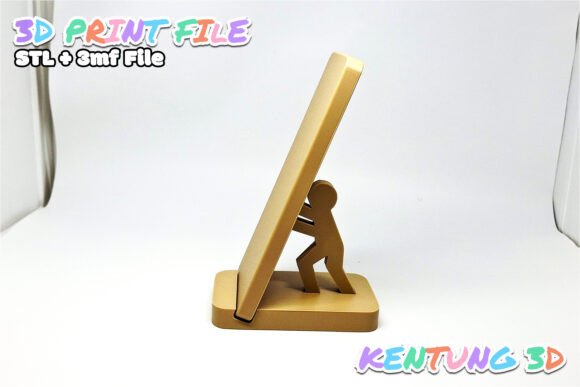
The Phone Holder 3D Print Model is a highly useful and customizable accessory that can make your daily life more convenient. Whether you're a tech enthusiast, a busy professional, or someone who simply wants to keep their phone in a secure and accessible place, this 3D printed phone holder is a great choice. It's designed for easy printing and assembly, making it an ideal project for both beginners and experienced 3D printing enthusiasts.
Why Choose the Phone Holder 3D Print Model?
This phone holder is not just another gadget; it's a thoughtfully designed tool that offers several benefits. The model is divided into two parts, which makes it easier to print and assemble. You only need to use glue to join the parts, ensuring a strong and durable final product. The file is available in STL and 3MF formats, and it has been tested on the Bambulab A1 Mini with Esun ePLA Matte, so you can be confident in its quality and compatibility.
Common Mistakes to Avoid When Using the Phone Holder 3D Print Model
While the Phone Holder 3D Print Model is straightforward to use, there are some common mistakes that can affect the outcome. Here are a few to watch out for:
- Ignoring the 3D Printing Settings: One of the most common mistakes is not following the recommended 3D printing settings. For the Bambu Lab A1 Mini, the optimal settings include a 0.4 mm nozzle, 3 wall loops, 15% sparse infill, and a layer height of 0.2 mm. Deviating from these settings can result in a weaker or less stable phone holder.
- Using Incompatible Filament: The model has been tested with Esun ePLA Matte, which provides a smooth and durable finish. Using a different filament without testing it first can lead to issues such as warping, poor adhesion, or a less aesthetically pleasing finish.
- Skipping the Gluing Step: The phone holder is designed to be assembled with glue. Skipping this step or using a weak adhesive can result in a loose and unstable holder, which defeats the purpose of having a secure phone mount.
Practical Advice for a Successful Print
To ensure a successful and high-quality print, follow these practical tips:
- Verify Your Printer Settings: Before starting the print, double-check your 3D printer settings to ensure they match the recommended values. This will help you achieve the best possible print quality and durability.
- Test the Filament: If you decide to use a different filament, run a small test print to check for any issues. This will help you avoid wasting time and material on a full print that may not turn out as expected.
- Use a Strong Adhesive: When assembling the phone holder, use a strong and reliable adhesive. This will ensure that the parts stay securely attached and provide a stable and long-lasting mount for your phone.
What to Check Before Making a Decision
Before you download and print the Phone Holder 3D Print Model, consider the following:
- Compatibility with Your 3D Printer: Make sure your 3D printer is compatible with the recommended settings. If you have a different model, research the appropriate settings for your specific printer.
- Available Space: The dimensions of the phone holder (X 10 cm x Y 6.5 cm x Z 8.3 cm) should fit comfortably in your desired location. Measure the space where you plan to use the holder to ensure it will fit properly.
- Quality of the File: Download the file from a reputable source to ensure you get a high-quality and well-tested model. This will save you from potential issues and frustrations during the printing process.
By following these guidelines and avoiding common pitfalls, you can create a functional and stylish Phone Holder 3D Print Model that meets your needs and enhances your daily routine. Happy printing!