Creating a 3D Papercraft Model of Tulips: A Versatile Tool for Creative Projects
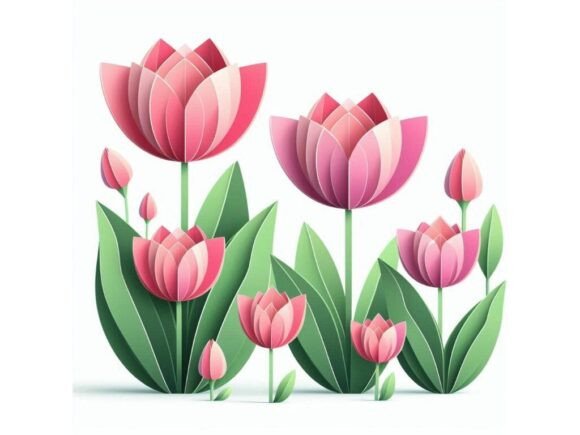
A 3D papercraft model of tulips, using L, is a unique and versatile resource that can be seamlessly integrated into various creative and professional workflows. This detailed and high-quality model is not only visually appealing but also highly adaptable, making it an excellent choice for a wide range of applications.
Understanding the 3D Papercraft Model of Tulips
The 3D papercraft model of tulips, using L, is a meticulously designed template that allows you to create a three-dimensional representation of tulips from paper. The "L" in this context refers to the level of detail and the ease of assembly, which makes it accessible even for those with minimal crafting experience. This model is typically provided in a digital format, ready to be printed and assembled.
Preparation and Compatibility
Before diving into your project, it's essential to ensure that you have the necessary tools and materials. Here’s what you’ll need:
- High-quality printing paper: Choose a paper that is both durable and easy to fold.
- Cutting tools: Scissors or a craft knife for precise cutting.
- Adhesive: Glue or double-sided tape for assembling the model.
- Printing software: Ensure your printer and software are set up to handle the file type and size.
These models are compatible with most standard printers and can be resized to fit your specific needs, whether you’re creating a small decorative piece or a larger centerpiece.
Integration into Creative Workflows
The 3D papercraft model of tulips, using L, can be integrated into various stages of a creative project, from initial brainstorming to final execution. Here are some practical ways to incorporate this model into your workflow:
Brainstorming and Planning
During the planning phase, the 3D papercraft model can serve as a visual aid to help you conceptualize your design. Whether you’re designing a floral-themed event or a product line, having a tangible, three-dimensional model can provide a more realistic and engaging reference point.
Design and Development
As you move into the design and development stage, the 3D papercraft model can be used to test different color schemes, patterns, and arrangements. This hands-on approach can help you refine your design and make any necessary adjustments before moving on to the production phase.
Production and Assembly
Once you have finalized your design, the 3D papercraft model can be printed and assembled. This step is where the quality and precision of the model truly shine. The detailed instructions and clear markings on the template make the assembly process straightforward, even for those who are new to papercrafting.
Practical Use Cases
The 3D papercraft model of tulips, using L, is incredibly versatile and can be used in a variety of creative and professional contexts. Here are some practical use cases:
Event Decorations
For events such as weddings, parties, and corporate functions, the 3D papercraft model can add a touch of elegance and sophistication. These models can be used as centerpieces, table decorations, or even as part of a larger floral display.
Marketing and Branding
In the realm of marketing and branding, the 3D papercraft model can be a powerful tool. It can be used to create eye-catching promotional materials, such as window displays, in-store decorations, and trade show booths. The vibrant and lifelike appearance of the tulips can help draw attention and create a memorable brand experience.
Educational and Learning Activities
For educators and hobbyists, the 3D papercraft model can be an engaging and educational tool. It can be used to teach students about geometry, spatial awareness, and the principles of design. Additionally, it can be a fun and creative activity for workshops and craft sessions.
Long-Term Use and Maintenance
To ensure that your 3D papercraft model of tulips, using L, remains in top condition, it’s important to store it properly when not in use. Keep the assembled model in a dry, dust-free environment, and avoid exposing it to excessive heat or moisture. If you need to disassemble the model, do so carefully to prevent damage to the paper and the intricate details.
Conclusion
The 3D papercraft model of tulips, using L, is a valuable and versatile resource that can enhance a wide range of creative and professional projects. By understanding its preparation, integration, and practical use cases, you can seamlessly incorporate this model into your workflow and achieve outstanding results. Whether you’re a professional designer, an educator, or a hobbyist, this model offers a unique and engaging way to bring your ideas to life.